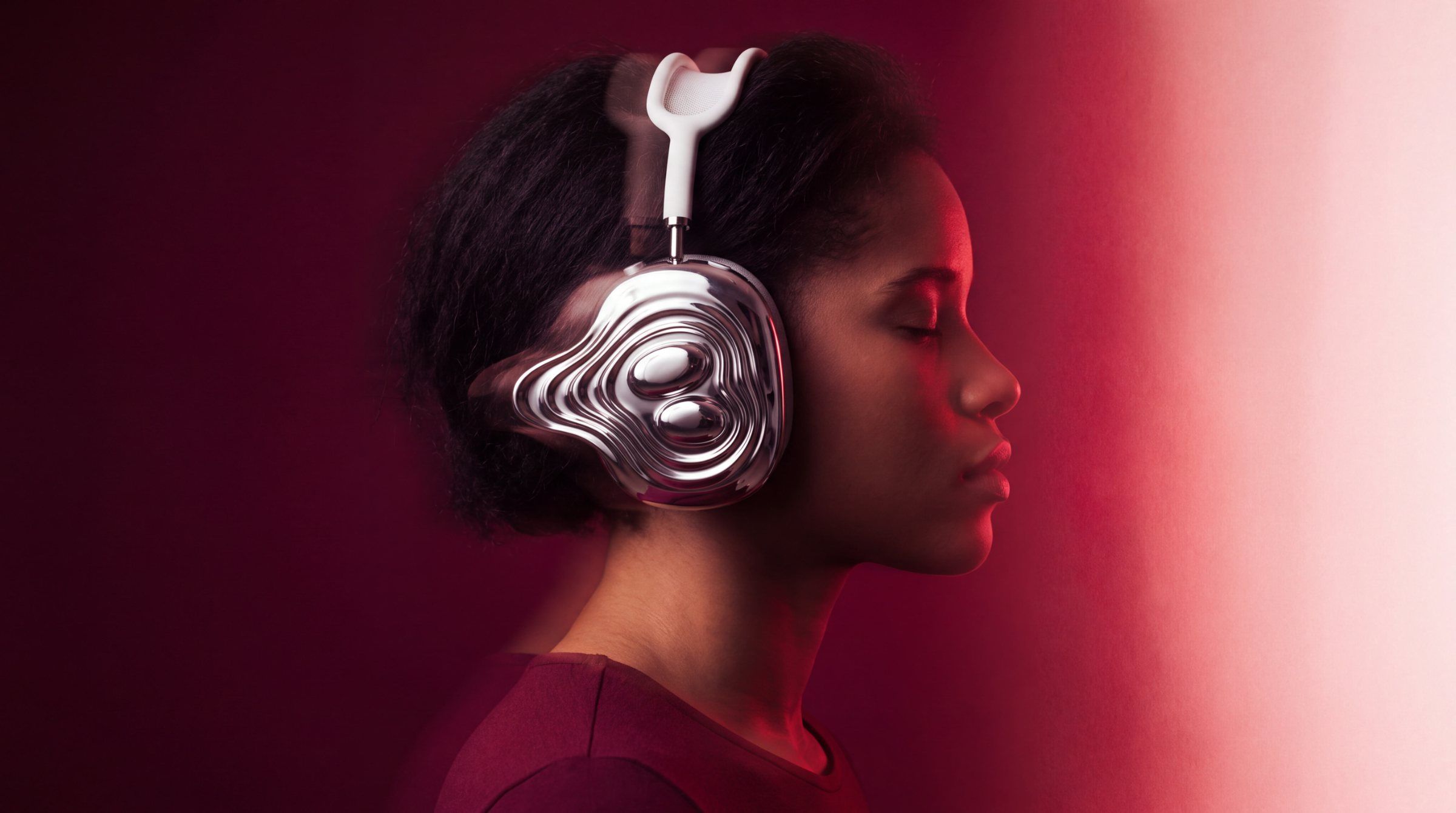
Do you have to empty your mind to meditate?
No. Minds wander about half the time. The practice is noticing, then coming back.

A lot of people try meditation once, spend ten minutes thinking about lunch, and decide they’re bad at it. The belief behind that is common: meditating means clearing your head, and if thoughts keep coming, you’ve failed.
That isn’t how it works, and the research on wandering minds shows why.
How often minds wander
In 2010, two Harvard psychologists built an iPhone app that checked in with people at random moments through the day. It asked what they were doing, whether they were thinking about it, and how happy they felt. About 2,250 adults answered roughly a quarter of a million times.
People’s minds were wandering in 46.9% of the samples. During every activity except one, the figure was at least 30%. People were also less happy when their minds were wandering than when they weren’t, even when they were drifting to pleasant topics.1
A wandering mind is normal. Noticing it is the skill.
What meditation actually trains
If minds wander about half the time on their own, expecting yours to go quiet for ten minutes isn’t realistic. Mindfulness practice works with that. You pick something to focus on, often your breath. Your mind wanders. At some point you notice. Then you come back.
That moment of noticing and returning is the exercise, the same way lifting the weight is the exercise at the gym. A session where your mind wanders twenty times and you come back twenty times is a good session.
What the study can and can’t say
It was observational, so on its own it can’t prove that wandering causes unhappiness. The researchers looked at timing and found that wandering tended to come before low mood more than after it, but other explanations are possible. What’s clear is how normal mind wandering is.
How to try it
Two minutes of coming back
- Set a timer for two minutes and close your eyes.
- Pay attention to the feeling of breath at your nose or belly.
- When you notice you're thinking about something else, say "thinking" to yourself.
- Go back to the breath. Don't judge how often it happens.
- When the timer ends, count roughly how many times you came back. That's your practice.
Brevé’s guided sessions are built around this. The voice reminds you to return, so you don’t have to keep track.
Try next in BrevéOne thing at a time