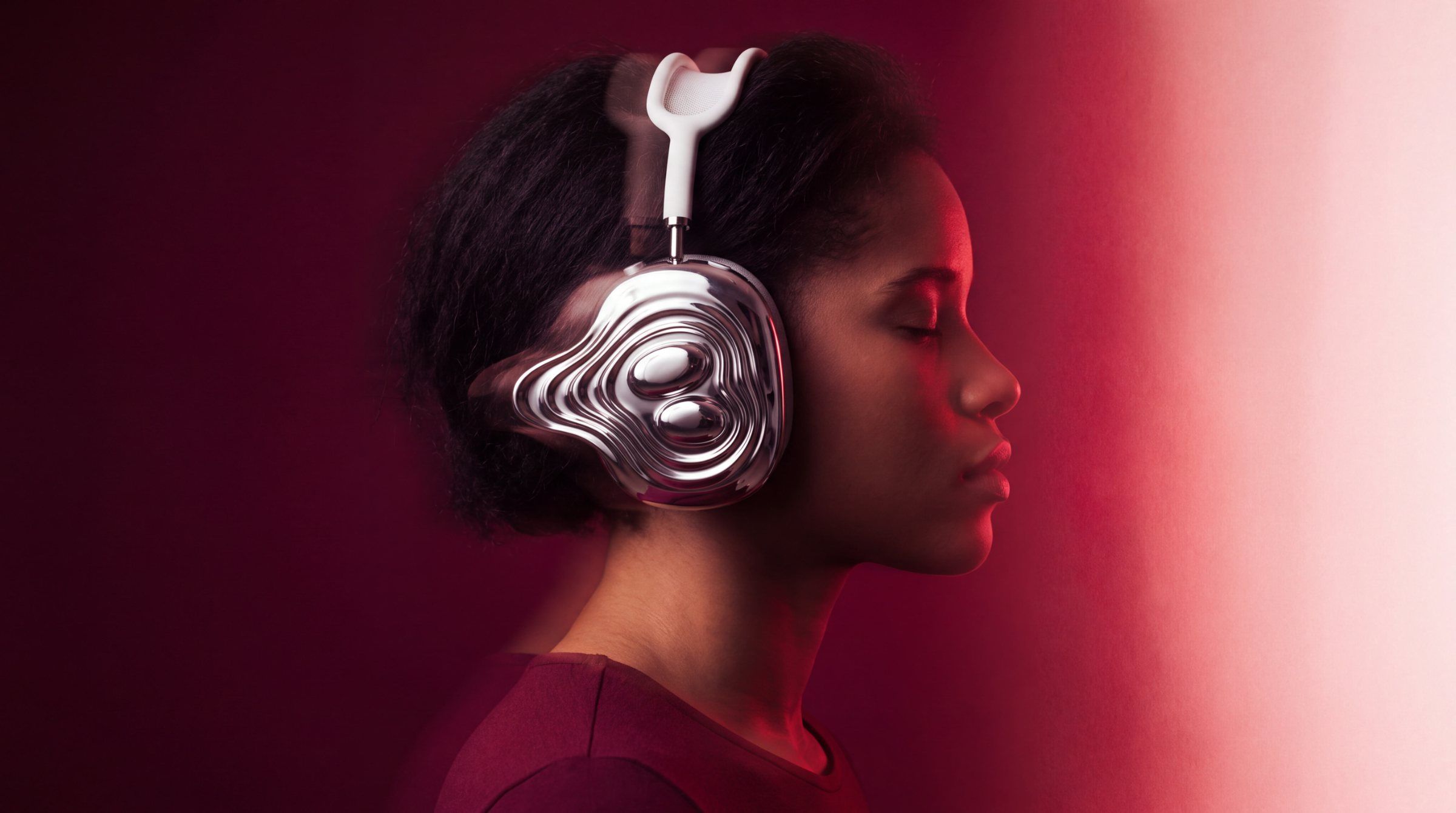
Is all stress bad for you?
Stress is a normal response, and how you read it may change how it affects you. Where the evidence is solid, and where it isn't.

Your heart is pounding before a presentation. Your hands are a little damp. The usual advice is to calm down, and that can help. There’s also research suggesting that what you believe about those feelings matters.
What stress is for
The stress response is your body getting ready to deal with something. Heart rate and breathing go up, more blood reaches your muscles, and your attention narrows. In short bursts, that’s useful. It helps you react quickly, focus, and perform.
The trouble comes when stress doesn’t switch off. Long-term stress from overwork, money worries, caregiving or conflict is linked to poorer sleep, mood and physical health. That part of the common view is right.
What the mindset research found
Alia Crum’s lab at Stanford has studied this for over a decade. In a 2023 paper, they tested a short training, called Rethink Stress, with working adults. It gave people a more balanced picture of stress: what it costs, what it’s useful for, and how much their beliefs about it can shape its effects.
People who took the training came to see stress as more useful than people who didn’t.1 Whether that changes outcomes is the bigger question. A 2024 review of 44 results found that teaching people to reframe stress gave a small but real improvement in how they performed on stressful tasks.2
A racing heart before a big moment is your body getting ready.
Where the evidence is thinner
Most of these results are self-reported, and the effects are small. The work-performance results weren’t consistent from one study to the next. Changing how you think about stress doesn’t make an unmanageable workload manageable or fix a situation that’s genuinely harmful. If stress is constant, the answer is usually to change the situation, get support, or both.
What the research does suggest is narrower and still useful. In the moment, treating stress as a signal to rise to may help more than treating it as something wrong with you.
How to try it
Next time stress shows up
- Notice it. Name what you feel in your body: fast heart, tight chest, restless hands.
- Ask what it's pointing to. Usually it's something that matters to you.
- Use the energy. Let it help you focus on the next step.
- Afterwards, help your body come back down. A few slow breaths with a long exhale is a good start.
Brevé is built for that last step. The Unwinding series helps you come down after a demanding day, so the stress you needed earlier doesn’t follow you to bed.
Try next in BrevéAfter a long day